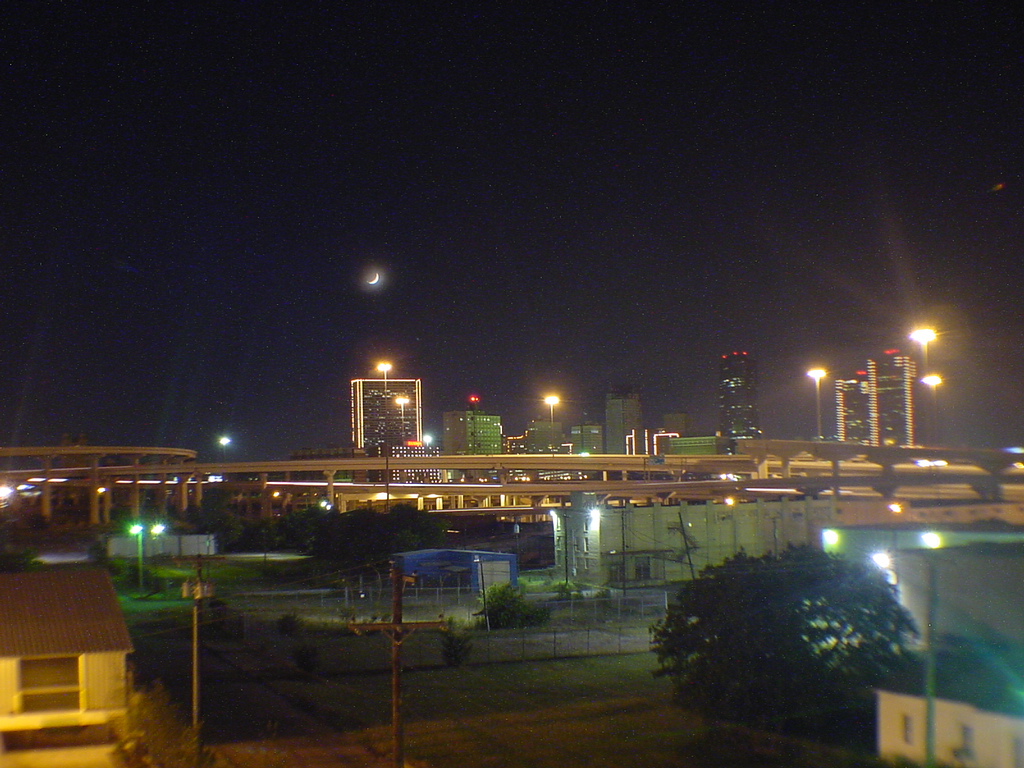
Sprint called me and asked me to name my price. I named it. Then I delivered the project under budget and ahead of schedule. That’s not something I say to impress anyone, it’s just what happened, and I think it’s worth understanding what that actually meant.
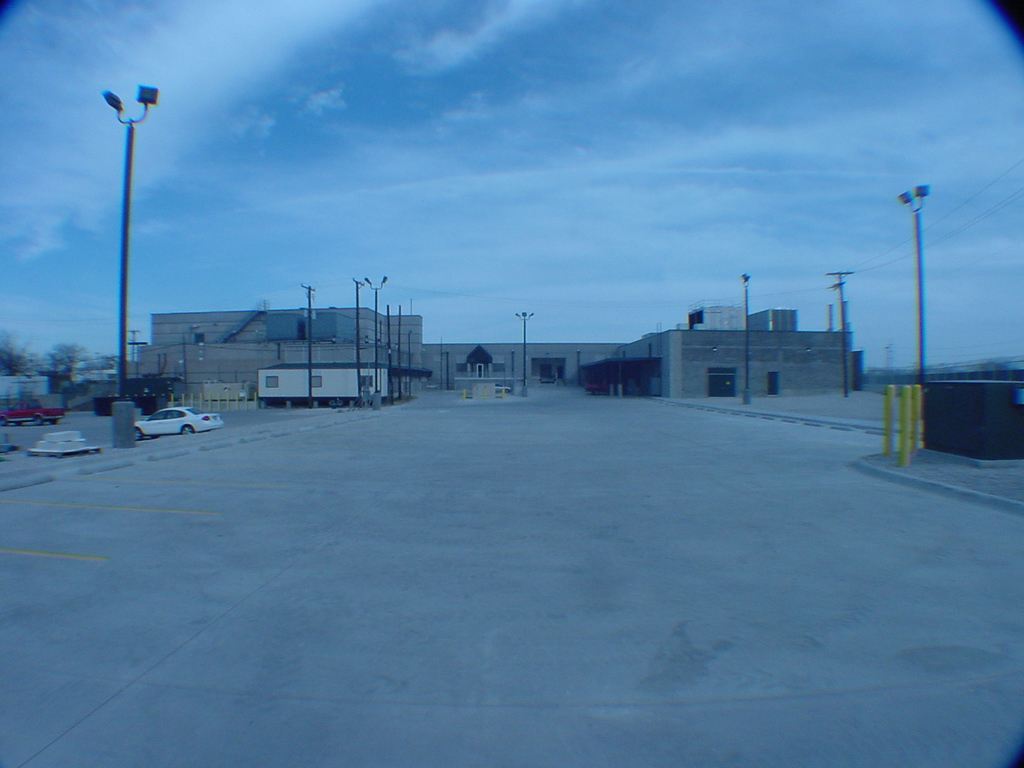
This was Sprint’s largest infrastructure project in company history. The facility was a classified national infrastructure site, the kind where you don’t name the location in public, and I won’t. What I can tell you is that it housed the original transatlantic cable data center, and we were building out a 12-star cell triangulation system capable of locating a cell phone to within one foot of accuracy. The mechanical, electrical, and HVAC systems had to support that mission. Nothing could go down. I was the onsite engineer for seven years total, with the core build running for one continuous year.
Phase 1, Breaking Ground
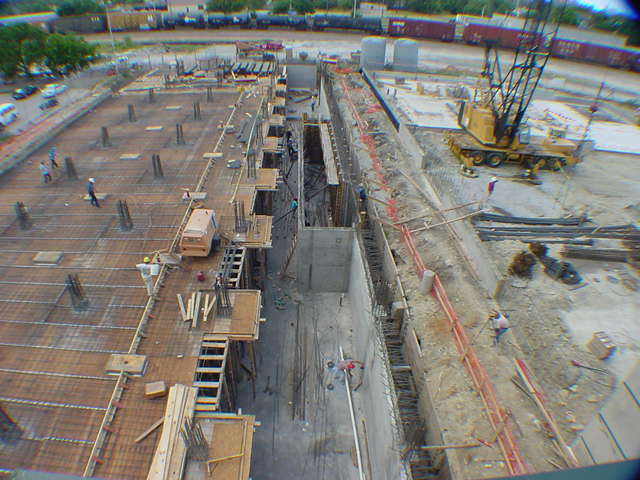
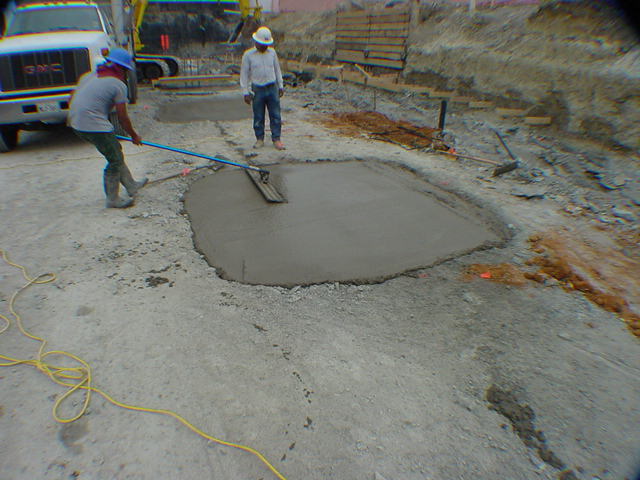
The project started with demolition and excavation at an active facility. You don’t shut down a live national infrastructure site to do construction, you work around it. Continuous operations, round-the-clock concrete crews, crane work coordinated so nothing interfered with the facility’s uptime. Every pour documented. Every phase photographed.
Phase 2, Systems Go In
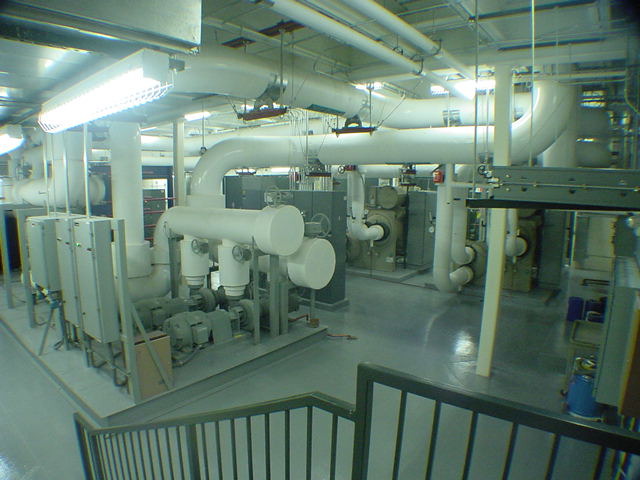
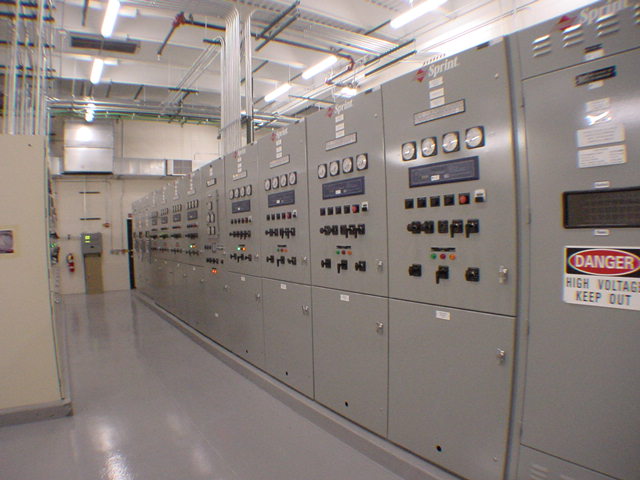
Once the structure was up, the mechanical and electrical work began. Cooling towers on the roof. Chilled water plant in the mechanical room. Electrical distribution, switchgear, transfer switches throughout. Hundreds of individual systems that all had to integrate and perform without interruption to the live facility operating alongside us.
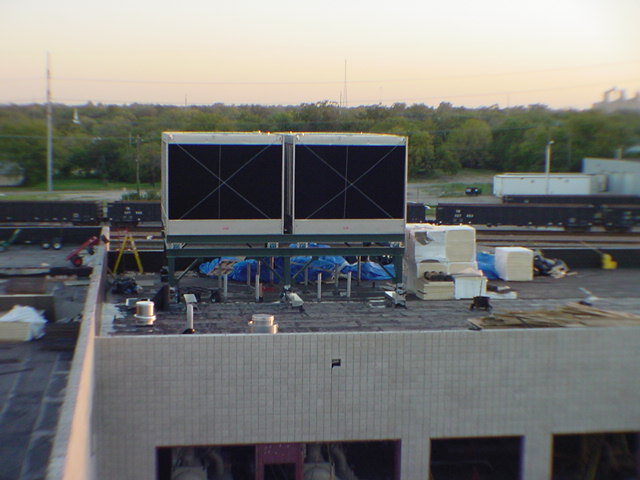
Phase 3, Commissioned and Running
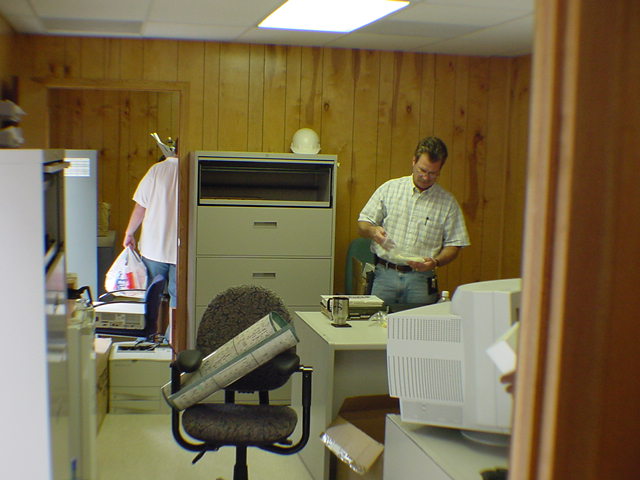
The standard for project completion on this job was different from anything I’d done before. It wasn’t enough to get the systems running. Upon completion, every single piece of equipment, every system, every door, and every fixture had a complete operating manual, a maintenance manual, and an identifier tag. You could walk into that facility ten years later, find any component, and know exactly what it was, how it worked, and how to service it. That’s the documentation standard we held ourselves to.
What This Means for Hartzell’s Customers Today
I’m not telling this story to make it sound like I only do big projects. I do residential work every day, tune-ups, change-outs, service calls in Kingfisher and Watonga and every town within sixty miles. But when you call Hartzell’s, you’re calling a company whose owner spent seven years as the onsite engineer on Sprint’s largest infrastructure project in their history. That experience doesn’t go away.
It means I know how to read plans, coordinate systems, hold subcontractors to a standard, and document everything. It means when I look at a residential or commercial HVAC job, I’m looking at it with the same eyes that commissioned a $30 million classified infrastructure facility. The scale changes. The standard doesn’t.
Dave Hartzell, Hartzell’s Heat & Air, Kingfisher, Oklahoma. In business 15+ years.
Nearby Communities We Serve
Ready to Work With Someone Who’s Done This at Every Level?
From residential tune-ups to mission-critical commercial systems, Hartzell’s brings 45 years and the same documentation standard to every job.
Frequently Asked Questions
What was the Sprint Project?
Seven years as a network engineer at Sprint. I worked on a $30 million FCC project doing 12-star triangulation for emergency call routing across classified infrastructure. Not the work people expect from an HVAC guy.
How does network engineering experience help with HVAC?
Systems thinking. Geothermal loops, refrigerant circuits, and zoned controls all behave like networks. Diagnosing a bad TXV is the same logic as tracing a packet drop. Helps me see problems other techs miss.
Why did Dave leave Sprint for HVAC?
HVAC was the family trade and I wanted to run my own shop in Kingfisher. Opened Hartzell’s Heat & Air around 2011 after 12 years at another local HVAC company. Best decision I made.
Is the Sprint Project still classified?
The general scope is public. Specific infrastructure details remain restricted. I can talk about the engineering, not the locations or clients.