
Geothermal Site Analysis
4.8 stars, 300+ Google reviews
A geothermal site analysis is the visit I make before I write your price. I measure the house room by room, look over the system you have now, walk the property to find where a loop can go, check the ductwork and the electrical panel, and hand you the numbers in writing. On a new system it is free.
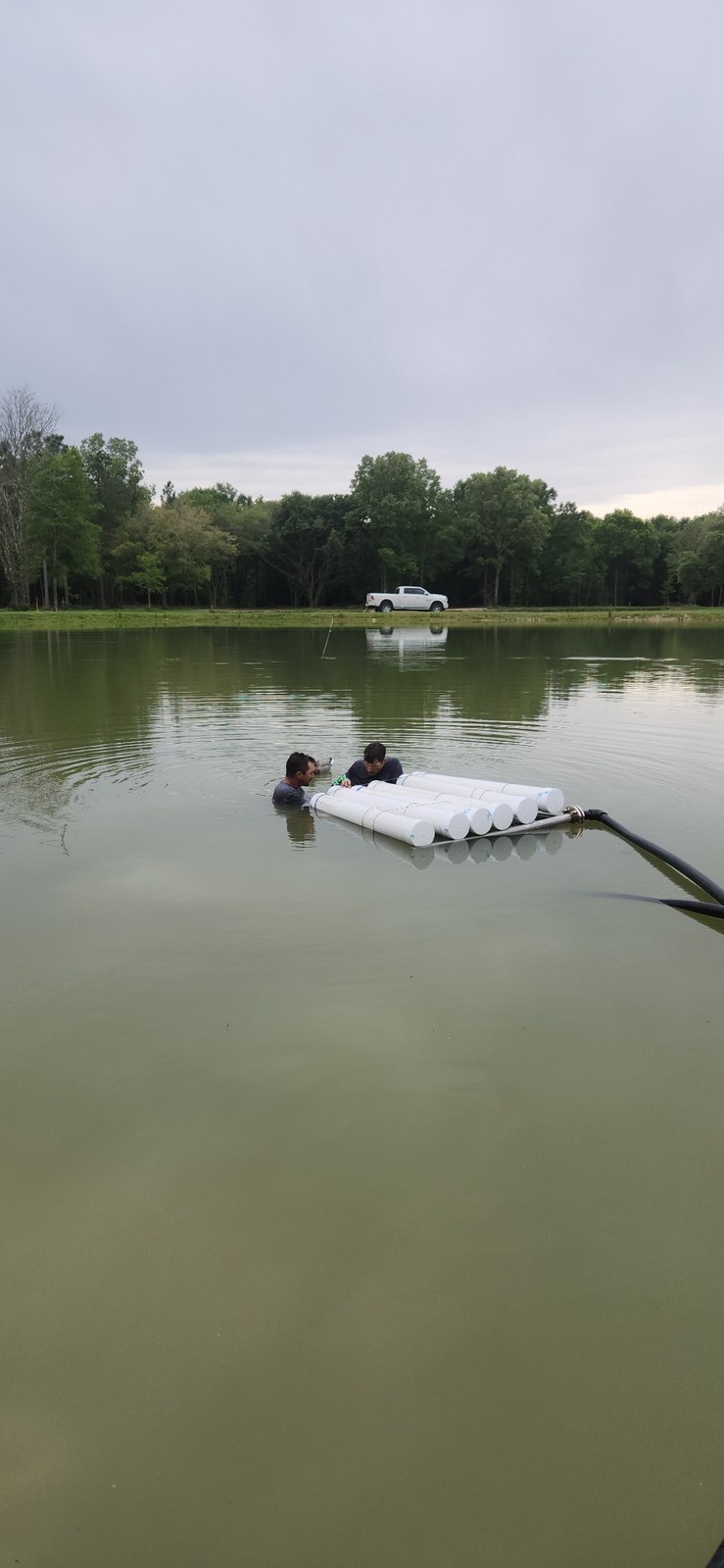
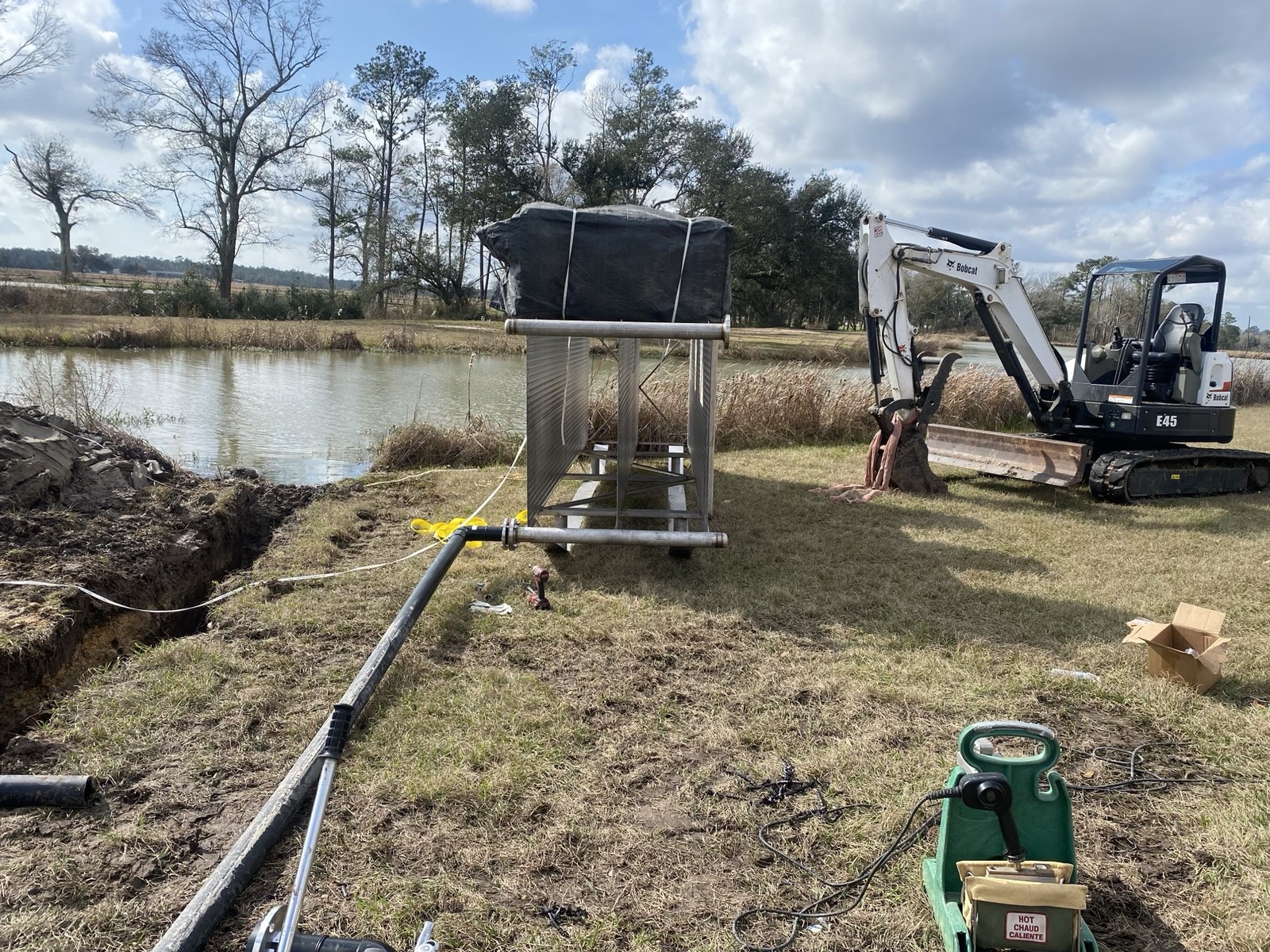
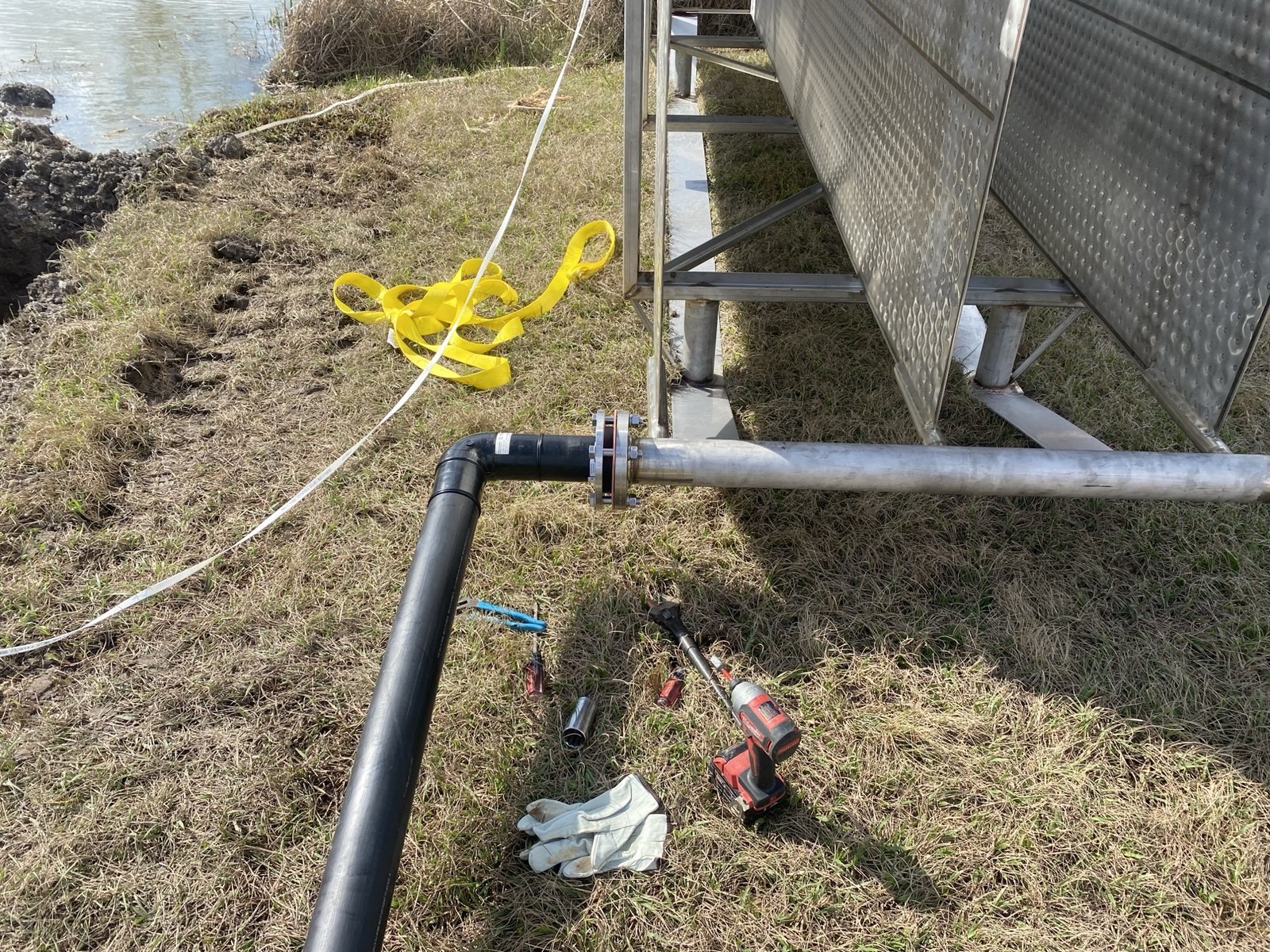
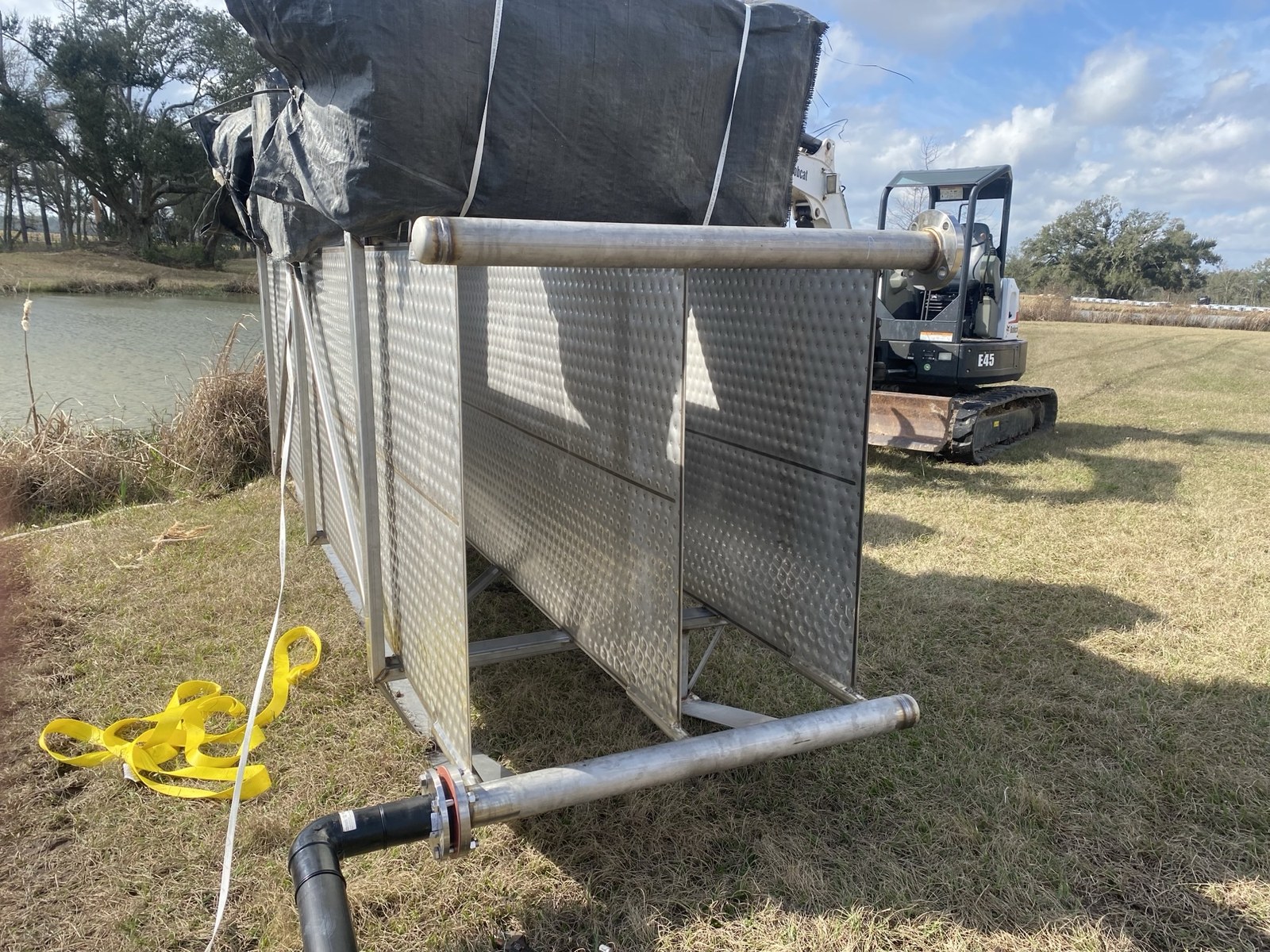
Pond Loop And Site-Condition Photos
These photos show pond-loop piping, excavation, and outdoor field conditions that matter during geothermal site analysis.
★ 4.8 stars, 300+ Google reviews
I am Dave Hartzell. 47 years in this trade, 15+ years running Hartzell’s Heat & Air out of Kingfisher, IGSHPA accredited for geothermal. Geothermal is two purchases at once, the machine and the loop, and the property decides both.
What a site analysis is not
It is not somebody walking your yard with a clipboard, asking your square footage and picking a size off a chart. That is a sales call in work boots.
Square footage rules of thumb are how systems get oversized, and an oversized system short cycles, never running long enough to pull humidity out of the air. On geothermal the guess costs more, because tonnage drives the loop: oversize the equipment and you have oversized the hole in the ground. That is why what a ton means matters here.
The measure up
The part with the tape measure in it. I write down what the house really is, not what the county record says.
- Every room, measured
Dimensions and ceiling heights. A vaulted great room and a back bedroom do not behave alike.
- Windows, counted and faced
How many, how big, single or double pane, and which way each wall faces. West glass in an Oklahoma August is a load by itself.
- Insulation, and where the house leaks
Attic depth, wall construction, slab or crawlspace. Then attic hatches, can lights, band joists and doors, because that air has to be conditioned too.
What falls out is a real load calculation, and it drives everything after: equipment size, loop size, duct capacity, panel capacity.
What you are running now
An existing system is evidence, so I read it.
- What it is, and how old
- Nameplate, tonnage, install year. Age tells me what is coming even when nothing is broken.
- What it burns
- Propane, natural gas, electric resistance, an air source heat pump, or geothermal.
- What it costs to run
- Your actual usage off your account, not an average.
- What is worth keeping
- Sometimes the duct trunk, sometimes the electrical, and on a geothermal changeout, sometimes the loop. That last one is the big money question, and it has its own section below.
The property itself
Then outside, because a geothermal quote written from inside the house is a guess.
- Usable open ground. How much, and where. Slope, drainage and rock all count.
- Access. A trencher or a drill rig has to physically reach the spot. Gate widths, fence lines, low limbs, soft ground.
- Everything already buried. Electric, gas, water, fiber, irrigation, and the septic tank with its lateral field, located before anybody puts steel in the dirt.
- What has to be protected. Driveway, sidewalks, patio, mature trees, sprinkler heads, landscaping.
- Water on the place. A pond, a creek, a well. Any of them changes the design.
All of that points toward one loop type, decided at your address: horizontal vs vertical vs pond, and if you have a well, closed loop vs open loop.
Ductwork and airflow
A good machine on bad duct will not perform. I put a manometer on the system and measure static pressure across the air handler, because duct that chokes the airflow robs a new unit of capacity you paid for. I look hard at return sizing, since most houses here are short on return air. Then the duct itself: crushed flex, disconnected boots, leaks at the plenum.
I do not publish a target static number, because it belongs to the equipment I install and the duct in your house. I tell you what I measured on yours, and duct changes go in the quote on their own line, rather than turning up on installation day.
The electrical panel
I open the panel and look: what service the house has, what is already on it, whether there is room for what the new system needs, and whether the job calls for a subpanel or a service upgrade. An upgrade is not a small line item, and finding out on install day is how a project goes sideways.
Replacing an old geothermal system, slinky loops included
This is the job I have field video of: an old geothermal system on a slinky loop, converting over to new geothermal. A slinky loop is overlapped coils of pipe laid into a horizontal trench, a way to fit more pipe into less trench. There are plenty in the ground across Oklahoma.
When the unit wears out, the whole quote turns on one question: can the existing loop be reused? A good loop is a large head start on cost, because you are buying a machine instead of a machine plus a hole in the ground. A bad one has to be known before the quote, not during the install.
What I evaluate on that loop, in order:
- Condition and pressure
- I pressure test it and watch whether it holds. A loop that will not hold pressure is telling you something.
- How the joints were made
- Heat fused joints become one continuous piece of pipe, no gasket, nothing to loosen. Push together fittings are a mechanical joint instead, and in what I have seen, the older ones crack after years of expansion and contraction.
- Whether it was sized for this load
- It was sized off whatever load calculation was done back then, which may well have been a square footage guess.
- Flow
- How much fluid actually moves, and whether it moves evenly through every circuit. A loop partly plugged or holding air performs like a smaller one.
- Refill history
- If somebody has been topping it off for years, there is a leak nobody has found yet. Here is where those leaks actually are.
You get the straight answer either way, and I would rather tell you in the yard than on install day.
The numbers, written down
The findings in writing: load calculation, equipment size, loop type, duct readings, panel. Yours whether you buy from me or not.
Then the quote, built from components instead of picked off a package list: the unit, the loop, labor, materials, each priced as itself. The loop gets its own line. It is the biggest single item on a geothermal job, and burying it in one total is how people end up surprised.
Want the range first? Geothermal cost in Oklahoma. System acting up rather than aging out? Geothermal system problems. Ready for the work? How I install a geothermal system.
The site analysis on a new system is free
Estimates on a new system are free, and the site analysis is that estimate done properly. A service call is different: a geothermal system that is down and needs diagnosed gets my Geothermal Diagnostic, $348 flat, any hour.
Questions people ask before they book one
Can I reuse my old geothermal loop?
Sometimes, and it is worth real money when the answer is yes. I pressure test the loop, check the joints, check flow through the circuits, and confirm it was sized for the load the new equipment carries.
How long does a geothermal site analysis take?
It depends on the house, so I book a real appointment, not a drive by. What stretches it: how many rooms, whether there is a system to evaluate, and whether there is an old loop to pressure test.
Do you charge for a geothermal estimate in Kingfisher Oklahoma?
No. Estimates on a new system are free, and the site analysis is that estimate done properly. Diagnosing a system that is already broken is different: $348 flat, any hour.
What is a slinky loop in a geothermal system?
Overlapped coils of pipe laid into a horizontal trench, so more pipe fits in less trench. Common on older Oklahoma installs, and I still find them when somebody replaces an aging geothermal unit.
Do you do a geothermal site analysis outside your service area?
Geothermal is statewide Oklahoma for me, not just my seven daily service counties. Call 405-375-4822 with your address and I will tell you straight.
Let me come look at the actual house and the actual dirt
Room by room measure up, the property walk, the ducts, the panel, and an honest verdict on the loop you already have.
Estimates on a new system are free. Geothermal Diagnostic is $348 flat, any hour. IGSHPA accredited and Master HVAC licensed, statewide Oklahoma.